

Binance has replenished 95% of the cryptocurrency stolen in a security breach that resulted in losses estimated at $6.3 billion, with the exchange pledging to cover the remaining shortfall through its user protection fund and corporate resources.
Co-CEO Richard Teng said the company had set aside sufficient funds to absorb the losses and would not pass the cost of the incident on to customers.
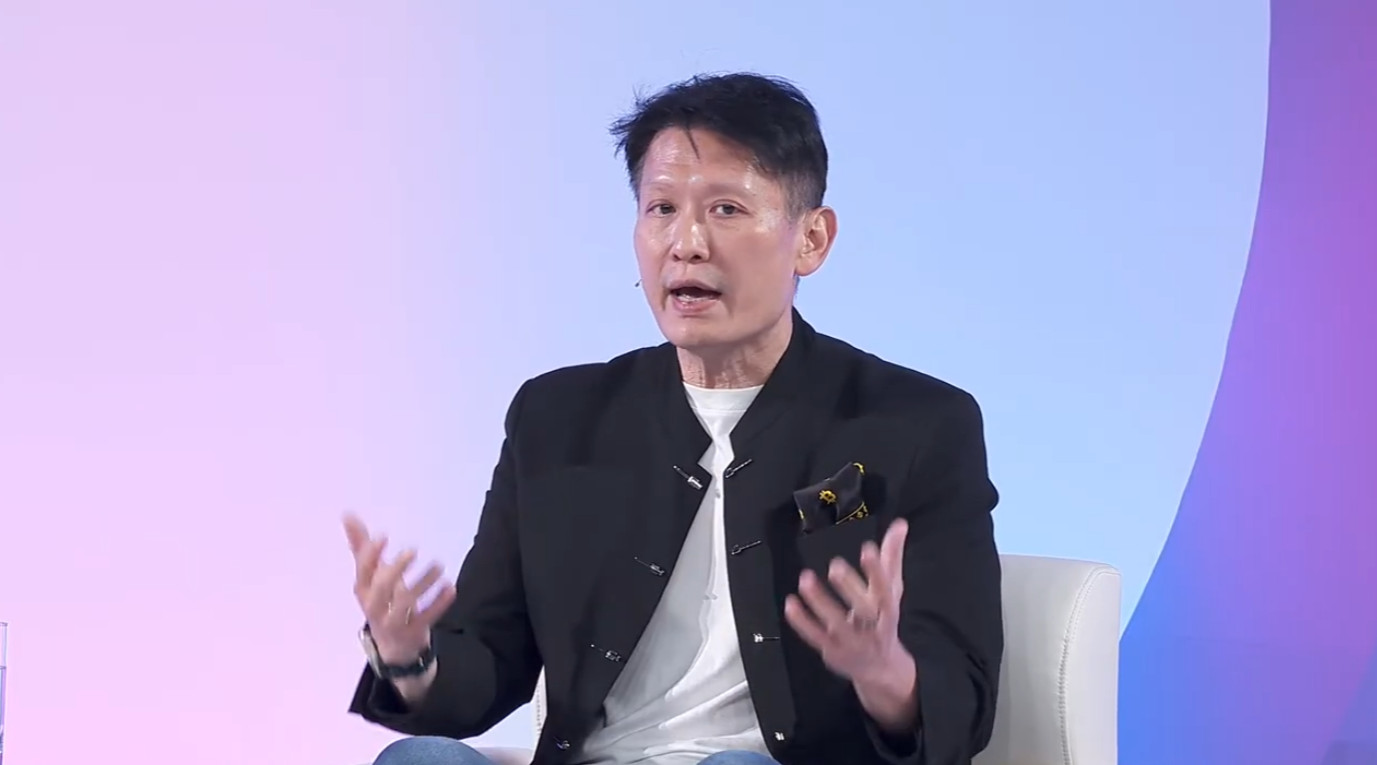
Speaking at Hong Kong FinTech Week, Teng said the exchange had moved quickly to secure its systems, close the attack route, and rebuild its withdrawal function before gradually restoring services.
“We take full responsibility and accountability for it,” Teng said, describing the incident as a painful lesson for the company.
He said Binance would first draw on its Secure Asset Fund for Users (SAFU), which was established to protect customers, with company resources covering any remaining losses.
The exchange had already replenished 95% of the affected tokens, Teng said.
The remaining 5% consisted of less liquid cryptocurrencies that Binance was sourcing through over-the-counter providers to avoid creating additional pressure on the market.
“We don’t want to go to the market and impact the market in such a way,” he said.
Teng said the company had also focused on restoring normal operations, including reviewing and replacing affected infrastructure, testing its systems and rebuilding the withdrawal process.
Withdrawals resumed after the exchange completed the initial security work. By the time of the interview, deposits and withdrawals had largely returned to normal levels, he said.
The incident prompted an initial increase in customer withdrawals, as investors moved to secure their holdings following news of the breach.
However, Teng said the outflows had subsequently stabilized, with hourly movements showing a more balanced pattern of deposits and withdrawals.
Binance, which has about 340 million users globally, also received assistance from corporate partners, regulators and law enforcement agencies following the incident.
Teng said the company would provide further information about the breach through a detailed post-mortem report.
He also pointed to Binance’s proof-of-reserves system, which allows users to check whether the exchange holds sufficient assets to back customer balances on a one-to-one basis.
Restoring confidence would take more than replacing the stolen assets, he said, arguing that the exchange’s track record of supporting customers through previous market and operational challenges had helped it retain users.
“The trust in us as a corporate entity and a corporate platform is not built over that,” Teng said, referring to the incident.
He said that confidence had developed through the company’s actions over several years.
The breach also raises broader questions about security as crypto platforms adopt more automated systems and artificial intelligence tools.
Asked whether giving AI agents greater control over financial transactions could create new vulnerabilities, Teng said the technology could be used by both legitimate businesses and malicious actors.
Binance has deployed AI across several business functions, including customer service, compliance, operations and security monitoring, to improve efficiency. But Teng said companies would need stronger safeguards and tighter controls as these systems become more widely used.
He said businesses should carefully define the permissions given to AI agents, particularly when they are handling money, executing trades or making financial transfers.
The comments come as crypto exchanges expand beyond digital currencies into tokenized assets, commodities and other financial products, increasing the number of transactions that may eventually be handled by automated systems.
For Binance, however, the immediate priority remains addressing the consequences of the breach and demonstrating that customer assets remain protected.
Teng said the exchange intended to emerge stronger from the incident and continue expanding its financial services beyond cryptocurrency trading.

