

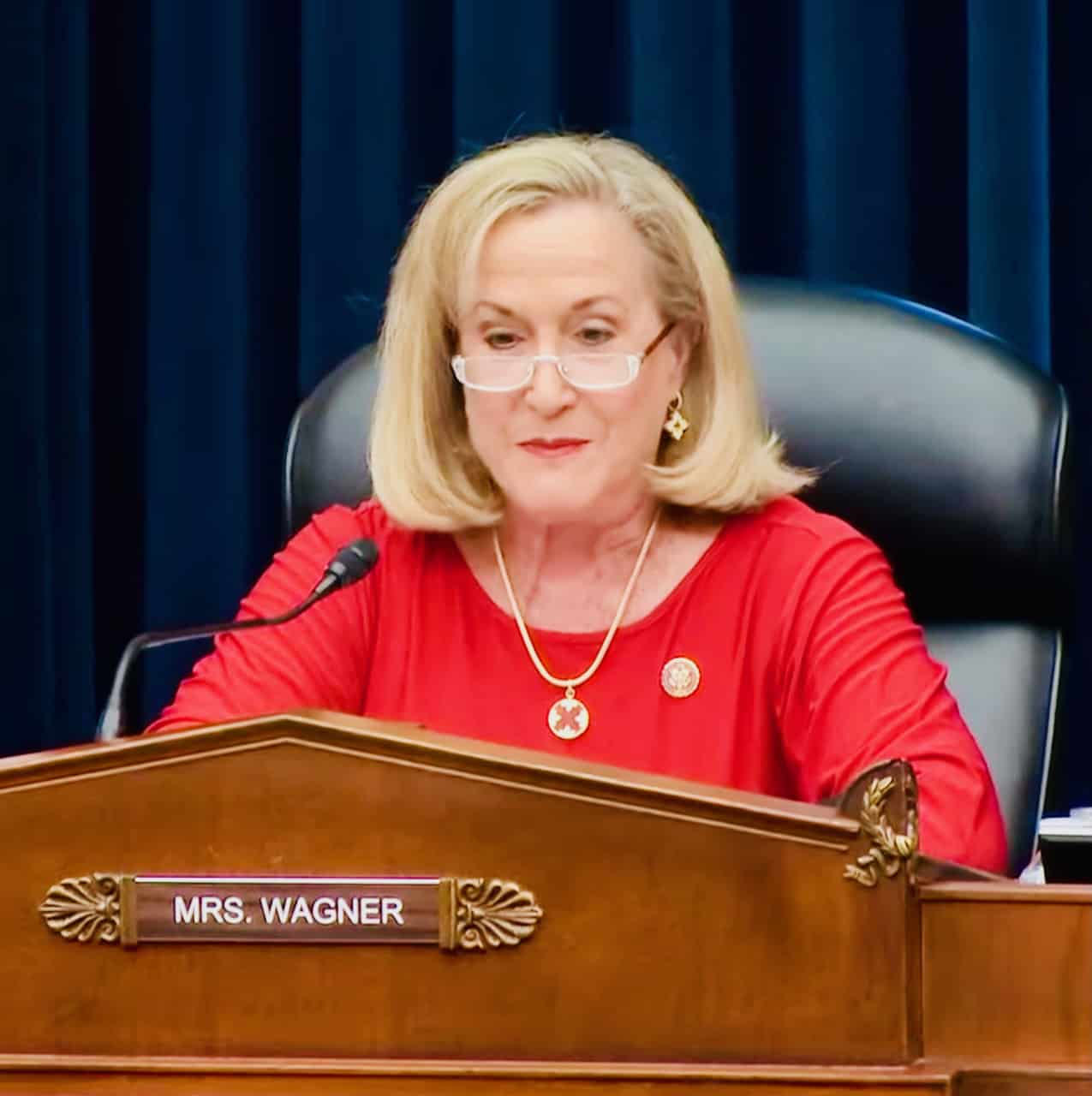
The House Financial Services Committee, Subcommittee on Capital Markets, held a hearing today entitled, The Future of American Capital: Strengthening Public and Private Markets by Increasing Investor Access and Facilitating Capital Formation. Witnesses testified on the topics, sharing real-world experience and making suggestions while answering queries from members of the Subcommittee.
During the hearing, Subcommittee Chair Ann Wagner announced the Committee would be soliciting feedback from the public as to how best to improve access to capital and boost investor opportunity.
Affiliated with the Hearing was a long list of bills which are designed to improve the economy and help investors. Addressing the current discriminatory definition of an Accredited Investor is on the list, improving securities crowdfunding, a Finders exemption, and adjusting regulation to make both private and public markets more effective are there as well.
The Committee is asking interested parties to submit comments regarding improvements to both public and private markets by March 31, 2025. Individuals may email fsc119@mail.house.gov with their recommendations.
The list of topics is published below:
Press Releases
Financial Services Committee Requests Feedback on Legislative Proposals to Increase Investor Access and Facilitate Capital Formation
Washington, February 26, 2025 –
Following today’s Subcommittee on Capital Markets hearing focused on strengthening public and private markets by increasing investor access and facilitating capital formation, the House Financial Services Committee is requesting feedback from the public on capital formation and the slate of bills the Committee considered during the hearing.
Interested member of the public may send their comments and answers to the questions below by March 31, 2025, to: fsc119@mail.house.gov.
Access to Capital
- Challenges & Solutions – What are the greatest challenges companies of all sizes, entrepreneurs, and fund managers face when raising capital? What policy solutions could help?
- Expanding Access – The JOBS Act and other initiatives have broadened capital access. What aspects of the JOBS Act have been most effective? What improvements are needed?
- Innovative Funding Models – Beyond traditional lending and equity finance, what alternative funding models (e.g., revenue-based financing, tokenization, secondary markets) should policymakers consider?
- Building Regional Ecosystems – What policies could help develop regional innovation hubs and funding networks outside of traditional financial centers?
- Empowering Emerging Managers – What policy changes could lower barriers for emerging fund managers and enhance capital availability in underserved markets?
Investor Access & Participation
- Accredited Investor Criteria – Should the definition of accredited investor be modernized beyond wealth/income measures to consider education, geography, or other factors?
- Retail Access to Private Markets – Should policymakers facilitate responsible avenues for retail investors to access private markets, and if so, how?
- Retirement Investment Options – Should 401(k)s and other retirement vehicles have greater access to private markets, and what safeguards would be necessary?
Public Markets & Company Lifecycle
- Going Public: Barriers & Solutions – What are the biggest barriers preventing companies from going public in the United States? How can policy reforms ease this transition from a private company to publicly traded?
- Challenges for Small Public Companies – What regulatory or market structure challenges do small public companies face? How can they be addressed through policy reforms?
- Evolving Private/Public Company Dynamics – How should policymakers approach the changing landscape where companies stay private longer or seek non-IPO exits? Are there ways to improve liquidity in private markets and ease pathways to public markets?
Technology & AI in Capital Markets
- Technology in Investment & Operations – How are funds using technology (AI, blockchain, automation) in capital raising, deal sourcing, diligence, or reporting?
- Expanding Market Access Through Technology – How can AI and blockchain be leveraged to expand access and opportunity in private markets?