

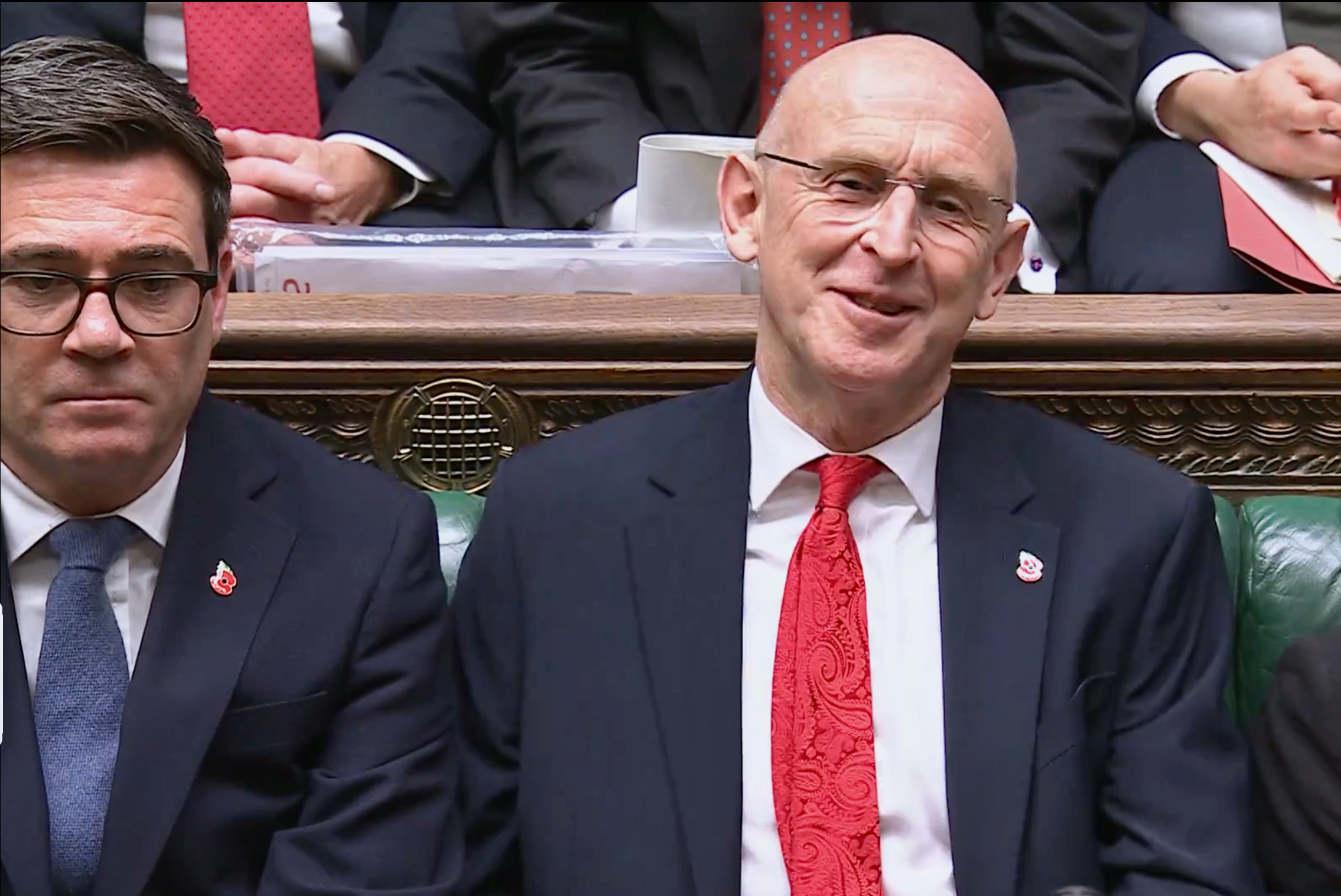
Yesterday, Chancellor John Healey delivered the Autumn Budget, which aims to ease some of the UK economy’s challenges, and provided a litany of policy updates.
The UK economy has grown tepidly. Meanwhile, government spending has been rising, driving up debt. Consumers and businesses remain under pressure.
Debt as a percentage of GDP stands at around 83% in 2026. Meanwhile, growth is predicted to hold at 1.2% this year. At the same time, borrowing as a percent of GDP is expected to decline from 4.2% this year to 3.4% the following year.
The Chancellor declared they were delivering relief for the masses. Policy changes include a £100 Household Energy Payment to lower energy bills and efforts to make energy less expensive overall.
On 1 April 2027, the National Living Wage will change by rising by 3.9% to £13.21 per hour.
The Your First Home Scheme aims to make homeownership more accessible by building more homes and introducing a new First Time Buyer ISA.
The package includes targeted rate cuts aimed at pleasing the electorate. The government revealed a two-year real-terms freeze in business rates bills for all retail, hospitality, and leisure properties.
Revenue-generating plans include a bank surcharge designed to generate almost £1 billion in 2027 and an increase in the property and savings income tax, which again hopes to raise an additional £1 billion.
No changes to taxes on dividends and wages were proposed, which was a relief for some.
The list of incentives and new programs is long. Regarding items that support the innovation sector, including Fintech and tech in general, the following items land at the top of the list:
- Founders’ Relief: A 10% CGT rate on up to £10 million of lifetime gains for qualifying founders (and significant early investors) in high-growth innovative companies, from 6 April 2027. Tighter eligibility than prior reliefs. This aims to encourage founders to build and reinvest in the UK. Existing Business Asset Disposal Relief (BADR) lifetime limit is halved from £1m to £500k (from April 2027). Overall CGT rates were not raised.
- EMI2 / share options expansion: Doubles the individual tax-advantaged option limit (to £120,000), extends the exercise period to 15 years, and removes certain interactions with existing EMI limits (from 6 April 2027). Helps scaling companies attract and retain talent beyond traditional EMI thresholds. Related simplifications for employee share schemes.
- British Business Bank capacity uplift: +£5bn (taking total capacity to ~£30.6bn). Includes ~£1.4bn additional equity fund capacity for high-growth businesses, a new ~£450m venture debt product (non-dilutive finance for scale-ups), extra support for women-led businesses/funds (commitments toward £200m), and expanded defence/dual-use focus. Complements National Wealth Fund recapitalization and Mansion House Accord progress on institutional/pension capital into private markets and scale-ups.
- Early-stage incentives: Trading allowance tripled from £1,000 to £3,000 (tax-free earnings from new ventures, from 6 April 2027). New Young Entrepreneurs Allowance (pilot covering living costs in the first year). Technical improvements to EIS, SEIS, and VCT schemes, including ease of use, transparency, and advance assurance. R&D tax relief simplifications.
- Talent and mobility: Legislation to stop non-compete clauses acting as a barrier for startups and scale-ups (with consultation and detailed position expected early 2027). Visa reforms — expand High Potential Individual visa (top 150 institutions, proportional cap increase), extend Graduate visa to two years for high-compliance universities, salary requirement adjustments, and longer curtailment periods for high-skilled workers.
- AI/innovation/infrastructure: Sovereign AI Fund and related packages (procurement schemes favoring UK AI startups, Pathfinder funds, local AI adoption pilots, data center covenant with community/grid criteria in exchange for prioritized connections). Scale UK initiative and regional support for high-growth firms. Public procurement reforms emphasizing “buy British” / UK suppliers.
- Stablecoins / crypto-adjacent: Previously announced tax treatment (effective April 2027) treating eligible stablecoins more like money — CGT exemption on disposals for individuals/trustees, savings-income treatment for interest-like returns, and related corporate rules. No major new crypto-specific tax hikes in this Budget; broader financial services competitiveness strategy and Open Finance exploration continue.
The opposition conservatives saw the budget proposal as more of the same and a “missed opportunity,” with short-term plans that do not match the economy’s needs.
Innovate Finance said it “secured some wins” in the budget. The organization claimed these victories were the EMI2, Founders Relief, and a “commitment to explore how HMRC can share data within a trust framework as part of Open Finance.”
Richard Baker, founder and CEO of Tokenovate, said the 10% capital gains tax rate on lifetime gains of up to £10 million under the Founders’ Relief should help the UK retain and grow businesses.
“The introduction of a new Founders’ Relief is a welcome step towards rewarding entrepreneurs who take risks, create jobs and build successful businesses in the UK. With global competition for investment and talent intensifying, giving founders greater incentives to scale and remain in the UK sends an important signal. The UK has established itself as a global fintech hub, yet there is a growing risk that we become an incubator for businesses that ultimately scale elsewhere. As the US and other markets compete to attract financial technology companies, the UK must strengthen its funding escalator to ensure the next generation of innovators can grow, access capital and eventually list here.”
Baker said that as financial markets transform due to technology, including tokenization, UK Fintechs have the opportunity to lead.
“We hope to see this announcement accompanied by better access to growth capital and greater regulatory certainty, ensuring the UK can become a global exporter of financial technology while giving the businesses developing it every reason to stay.”
Emma Banymandhub, CEO of The Payments Association, said the budget was positive overall.
“It’s important that our industry remains nimble and innovative, especially when the payments sector touches upon every aspect of the economy and continues to evolve far faster than the governing legislation. With that in mind, the Chancellor’s announcement of measures like founders’ relief and increased support for entrepreneurs is welcome and will hopefully help secure the UK’s position as the Fintech capital of the world. Equally significant is the government’s action on tax compliance through mandatory point-of-sale (POS) software standards and a crackdown on till fraud. Electronic sales suppression undermines legitimate commerce and distorts the retail landscape. We welcome targeted measures that eliminate illicit manipulation software and ensure tamper-proof, immutable transaction logging.”
Banymandhub sees the payments sector as ready to power the next wave of digital growth, including stablecoins, tokenization, and banking.
“Yet, maintaining our competitive edge requires policymakers and regulators to work hand-in-hand with industry as true facilitators. Providing innovative fintechs and payment providers with proportionate, forward-looking regulation will be the key to inspiring commercial confidence and cementing long-term economic prosperity nationwide.”
Co-Founder and Managing Partner at ChilliMint Europe San Nakra-Shah also welcomed the Founders Relief policy.
“When someone sells a successful business, the debate tends to focus on how much they made and how much tax they should pay. Fair enough. But with the economy growing so slowly, I think there’s another question: can that success help build the next business? Building a company takes years of hard work, personal investment and risk. Selling doesn’t necessarily mean the founder walks away. They may want to back another business or help a new entrepreneur with what they’ve learnt along the way.”
Nakra-Shah said this policy, done well, could put money back into businesses trying to grow, and a founder who invests also brings experience and contacts.
“A successful sale could be more than the end of one business. It could help the next one get started.”

