

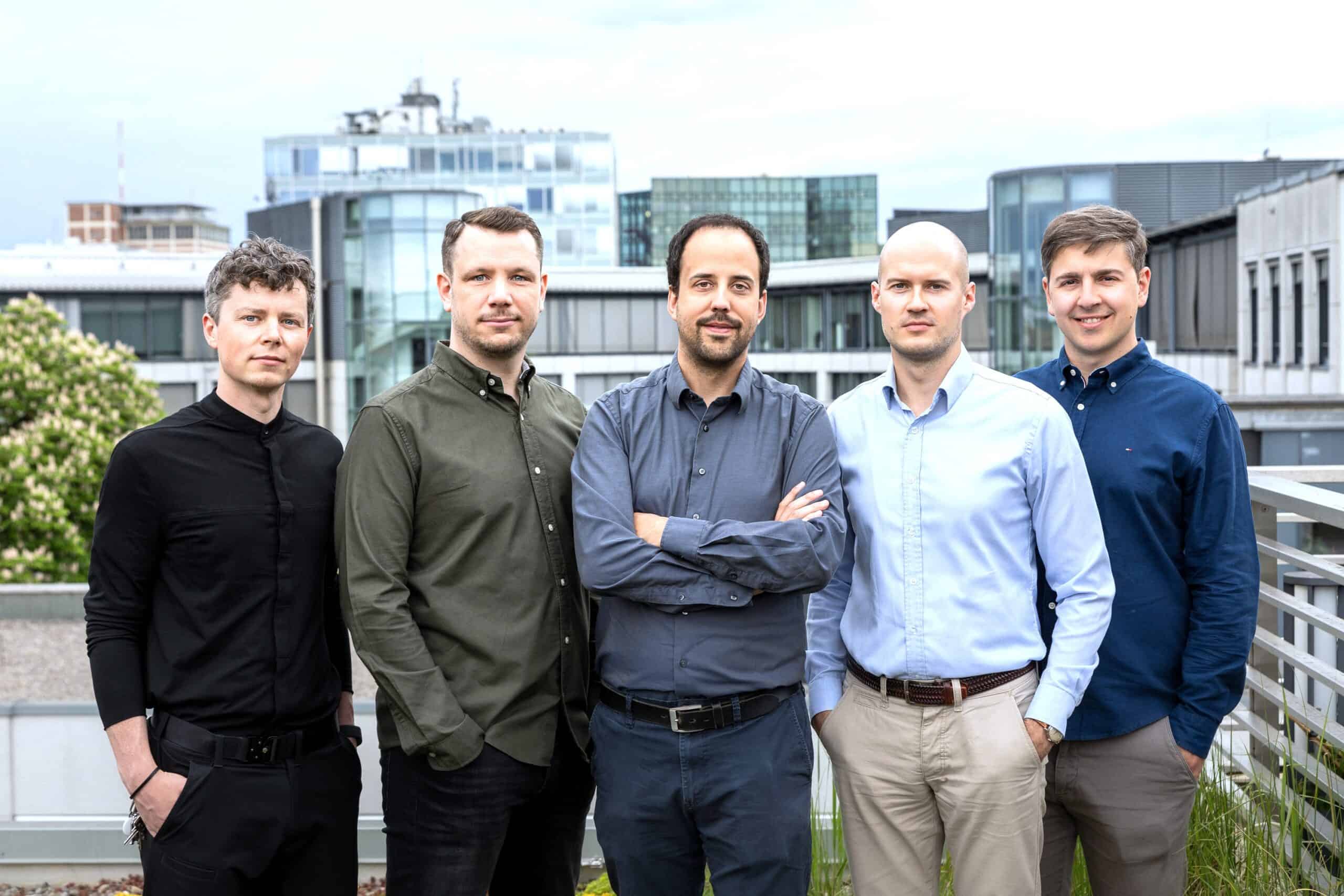
Tangany, a German digital asset custodian, has raised €10 million in Series A funding. Tangany is regulated by Bafin (the German securities regulator), and the company states it is preparing for Europe-wide expansion under EU MiCA rules.
The funding was led by Baader Bank, Elevator Ventures / Raiffeisen Bank International, and Heliad Crypto Partners, with ongoing support from HTGF and Nauta Capital. Tangany is already in use by big Fintech names, including eToro, FlatexDEGIRO, Bitvavo, and Finanzen.net ZERO. The company is described as a recognized player in the financial ecosystem, and the funding is a significant milestone as digital assets move mainstream.
Tangany completed a Seed round of €7 million in 2020.
Martin Kreitmair, CEO and co-founder of Tangany, said the funding was indicative of institutional trust, noting that well-established firms backing the company will further strengthen their position in the market.
“Their involvement reflects our shared commitment to secure, regulated digital asset infrastructure. At the same time, Tangany remains fully independent. Our shareholder structure now mirrors our ambition: becoming an integrated part of Europe’s financial system,” said Kreitmair.
Today, Tangany reports that its assets under custody exceed €3 billion, serving over 700,000 accounts across more than 60 institutional clients.
Between 2022 and 2024, the company states that it doubled its revenue, while establishing a “robust organization to support increasing demand and regulatory complexity.”
Oliver Riedel, Deputy CEO of Baader Bank, said that digital assets will play a critical role in the future of financial markets and regulated infrastructure is key to the transformation.
“Tangany has shown both the regulatory maturity and the technological depth needed to serve financial institutions at scale. We’re proud to support a company that’s helping shape the future of custody in Europe.”
Thomas Muchar, Managing Director of Elevator Ventures, described Tangany as uniquely positioned, bringing institutional-grade compliance to digital innovation.
Germany has been slow to embrace digital asset innovation, but with the advent of MiCA, Europe’s biggest economy cannot be left behind as the rest of Europe moves forward.

