


Everything You Own Was Built by Someone Who Dared: A conversation with John Tillman on the Capital Ideas podcast is a love letter to the entrepreneur and a wake-up call for America.
Look around you right now.
The phone in your hand. The electricity running through your walls. The car in your driveway. The medicine in your cabinet. The air conditioning cooling your home.
None of it appeared by accident.
At the root of nearly every modern convenience is a person who saw a problem, took a risk, and decided to build something better.
That person was an entrepreneur.
This is the animating conviction of John Tillman — author of The Political Vise and the visionary behind a bold new project called the Hall of Giants. In a recent conversation on ICAN’s Capital Ideas podcast with hosts Dara Albright, Nick Morgan, and Mark Hiraide, Tillman delivered one of the most passionate, clear-eyed defenses of entrepreneurship and free enterprise that the crowdfunding and capital formation world is likely to hear.
“Every single physical thing that we have in our lives, every service that we consume,” Tillman explained, exists because at some point, an entrepreneur imagined it and took a risk to build it.
That observation sounds simple. But it cuts directly against a growing cultural blind spot in America.
We celebrate products while forgetting the builders behind them.
We admire innovation while increasingly discouraging risk.
And we’ve created systems that too often reward financial engineering over actual entrepreneurship.
At its best, free enterprise is not about exploitation, but service. Entrepreneurs succeed by persuading people that they have created something valuable enough to voluntarily exchange money for. As Tillman noted, that is fundamentally different from nearly every economic system that preceded it, many of which relied on coercion and centralized control.
America’s rise was fueled by something radical: ordinary people were empowered to build.
That engine, however, is beginning to sputter.
Capital Should Flow to Builders
If entrepreneurship is the engine of prosperity, capital is the fuel.
And increasingly, access to that fuel is restricted.
One of the clearest examples is the accredited investor rule, which bars millions of Americans from investing in many private companies unless they meet arbitrary wealth thresholds.
The logic is deeply flawed.
A financially sophisticated engineer, teacher, small business owner, or healthcare executive (see Emily Kapszukiewicz & Healthcare Shares | ICAN Law) may be legally prohibited from investing in early-stage innovation simply because they have not yet accumulated a million-dollar net worth. Meanwhile, wealth alone automatically qualifies others regardless of actual financial understanding.
As Tillman bluntly put it, the rule is “idiotic.”
More importantly, it cuts ordinary Americans out of the wealth-creation process at the very stage where their participation could matter most.
By the time many transformative companies finally reach public markets, much of the explosive upside has already been captured by institutions and insiders.
That is not true free-market capitalism.
Tillman also pointed to another often-overlooked barrier to entrepreneurship: America’s increasingly burdensome path to capital formation. Higher marginal tax rates and regulatory friction extend the runway required for aspiring entrepreneurs to accumulate the resources necessary to take risks.
The result is subtle but profound.
- Fewer people attempt to build.
- Fewer ideas get funded.
- Fewer breakthroughs happen.
- And the people hurt most are often those without inherited wealth or institutional connections.
Why Crowdfunding Matters
This is precisely why low-dollar crowdfunding matters.
Crowdfunding is not simply a financial tool. It is a cultural one. It allows ordinary people to participate directly in innovation and entrepreneurship rather than remaining permanently sidelined while institutions control access to private markets.
A teacher investing $100 into a startup. A local community backing a neighborhood business. A college student supporting a fintech app that helps them save for a rainy day.
That participation changes how people think about capitalism itself.
Ownership creates engagement.
Engagement creates understanding.
And understanding creates a society that sees entrepreneurs not as villains or distant elites, but as builders solving human problems.
Rehumanizing the Entrepreneur
Perhaps the most inspiring part of the conversation centered on Tillman’s ambitious new project: the Hall of Giants.
Part immersive attraction, part educational experience, and part civic institution, the Hall of Giants aims to tell the story of entrepreneurship the way Hollywood tells the story of heroes.
Tillman describes it as a blend of Disney, Hollywood, and the Rock & Roll Hall of Fame – but dedicated entirely to entrepreneurs, inventors, and innovators.
One centerpiece attraction is expected to take visitors on a time-travel journey through American innovation. Guests begin in 1776 on a buckboard wagon, then travel through locomotives, steamships, automobiles, airplanes, and eventually rockets to Mars – encountering the entrepreneurs and inventors who transformed civilization along the way.
The goal is not nostalgia.
It is to remind Americans that every generation inherits a world built by risk-takers they never met, and that entrepreneurship is ultimately a human story – one of sacrifice, failure, persistence, and vision.
Now, more than ever, America desperately needs to reconnect younger generations to that story.
Because societies that stop admiring builders eventually stop producing them.
The Country That Embraces Risk
Near the end of the conversation, Tillman made perhaps his most important observation:
“We need to return to a norm in America where we’re the country that embraces risk.”
Not reckless risk, but productive risk.
- The risk of starting a business.
- The risk of funding a new idea.
- The risk of believing you can build something that improves the lives of others.
America did not become the most prosperous nation in history by fearing failure. It became prosperous because generation after generation of ordinary people were willing to take extraordinary risks – risking comfort, stability, ridicule, and uncertainty in pursuit of something better.
That spirit built railroads and airplanes. It lit cities, connected continents, cured diseases, and transformed impossible ideas into everyday realities.
Tillman described entrepreneurs as “the conductors of America’s prosperity train.”
Entrepreneurs move society forward. They create jobs, solve problems, expand human possibility, and drive the innovation that improves all of our lives. Every time society makes it harder for people to build, invest, or take risks, that train slows down.
And when a nation stops celebrating builders, eventually it stops producing them.
The future prosperity of America will not be determined solely by governments, institutions, or regulators. It will be determined by whether we still encourage people to dare – to build, to invent, and to risk failure in pursuit of something greater.
That is the real American story – and one worth preserving for future generations.
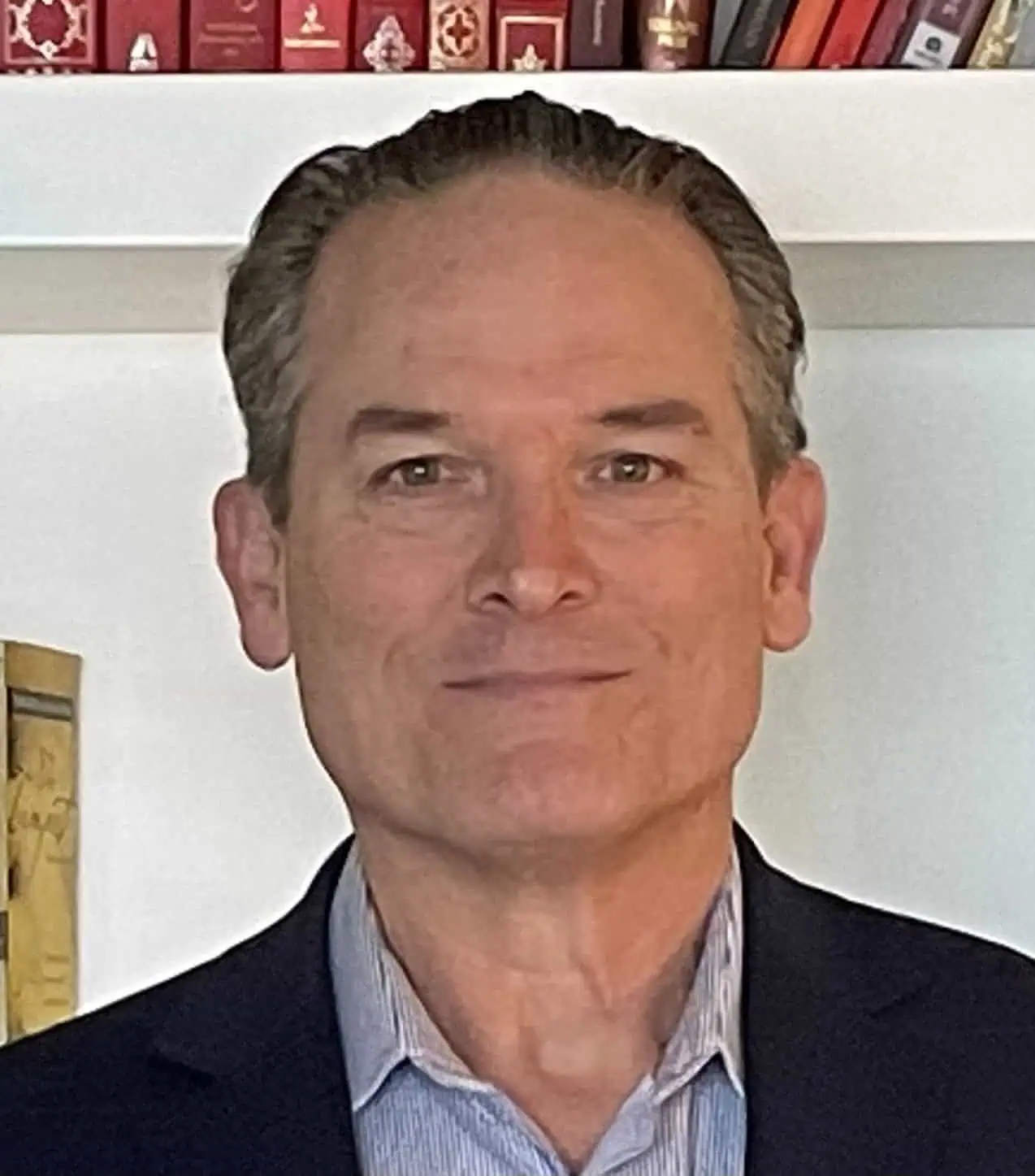
Nick Morgan is President and Founder of ICAN, the Investor Choice Advocates Network, a nonprofit public interest litigation organization dedicated to serving as a legal advocate and voice for everyday investors and entrepreneurs. He was previously a partner in the Investigations and White Collar Defense Group at Paul Hastings law firm. Morgan previously served as Senior Trial Counsel in the SEC’s Division of Enforcement. Capital Ideas is a series created by Morgan and Dara Albright.

