


Over the last decade, private markets soared. Unicorns flourished, LPs [limited partners] piled in, and returns trounced public benchmarks. However, that era, marked by blind-pool trust and frictionless exits, is ending. What’s emerging is more sophisticated, more structured, and ultimately more sustainable.
At the heart of this shift is the rise of secondaries, which are no longer a niche tool but have become a core infrastructure for pricing, trading, and managing private assets.
From Afterthought to Infrastructure
Historically, secondaries were cleanup tools, a way for LPs to offload legacy fund positions or for employees to cash out. Today, they’re a $100+ billion annual market, increasingly used to reshape portfolios, provide mid-life liquidity, and actively manage exposure.
This is not just about liquidity. It’s about optionality and control.
The Blurring Lines of Modern Capital
Leading venture capital firms, such as Lightspeed and General Catalyst, now span the entire lifecycle, investing early, holding through IPO, and even building public equity positions. Lightspeed, for instance, has reported holdings in companies like Snap, Affirm, and Rubrik post-IPO, reflecting a shift toward value continuity, not just early-stage capture.
BlackRock, the world’s largest asset manager, has aggressively expanded into private markets, including secondaries, with $320B in alternative assets under management and the recent acquisition of Global Infrastructure Partners. Their strategy underscores what investors increasingly want: growth exposure with flexible entry and exit points.
GP Platforms: The New Aggregators
At my firm, we are seeing this shift firsthand. Today, we, along with other platforms that enable secondary transactions, act as hubs that source deals, structure secondary solutions, and offer curated access to private equity, venture debt, credit, and even distressed infrastructure assets. The common thread: flexibility and transparency across the capital stack, and the growing demand from investors.
The Missing Middle: Family Offices
Perhaps the most overlooked force behind this evolution is the family office. Less constrained by mandates, more agile than institutions, they’re stepping in where traditional LPs pull back.
Globally, family offices now represent 12% of capital in private equity (Preqin, 2023), and they want more than just returns. Many seek access to innovation, alignment with values, or strategic exposure. They all expect solid returns.
Secondaries, co-investments, and GP-led continuation funds provide them with exactly what they want: visibility, diversification, and early exit paths.
The Bottom Line
Private markets are being rewritten. The binary model of blind pools and decade-long lockups is fading. In its place: a dynamic, data-driven, investor-friendly architecture powered by secondaries and GP platforms.
It’s not a threat to venture capital. It’s the future of it.
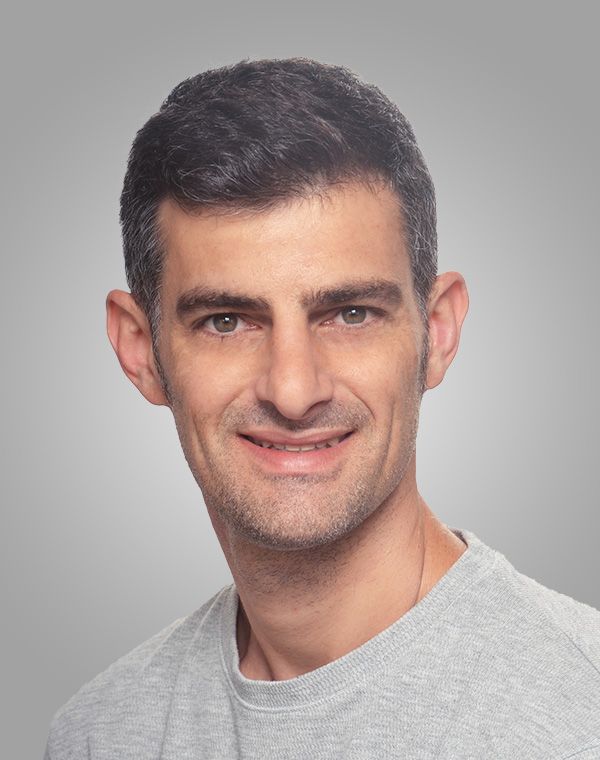
Or Alon is a seasoned investment professional with deep expertise in alternative assets, venture finance, and fund operations. As Partner and Head of Funds & Business Operations at OurCrowd, Israel’s most active venture firm, Alon oversees $850 million in assets across sector-focused funds, GP-led vehicles, co-investments, and structured alternatives. Since joining OurCrowd in 2021, he has built and led the firm’s Structured Alternatives division, launching new private equity and private credit strategies. Prior to OurCrowd, Alon served as Vice President at Silicon Valley Bank in Tel Aviv, managing a $100M+ loan portfolio for high-growth tech companies and leading complex credit structuring and underwriting. Alon began his career in capital markets law at GKH in Tel Aviv. He holds a B.A. in Business Administration and an LL.B. in Law from the Interdisciplinary Center Herzliya, graduating magna cum laude.