

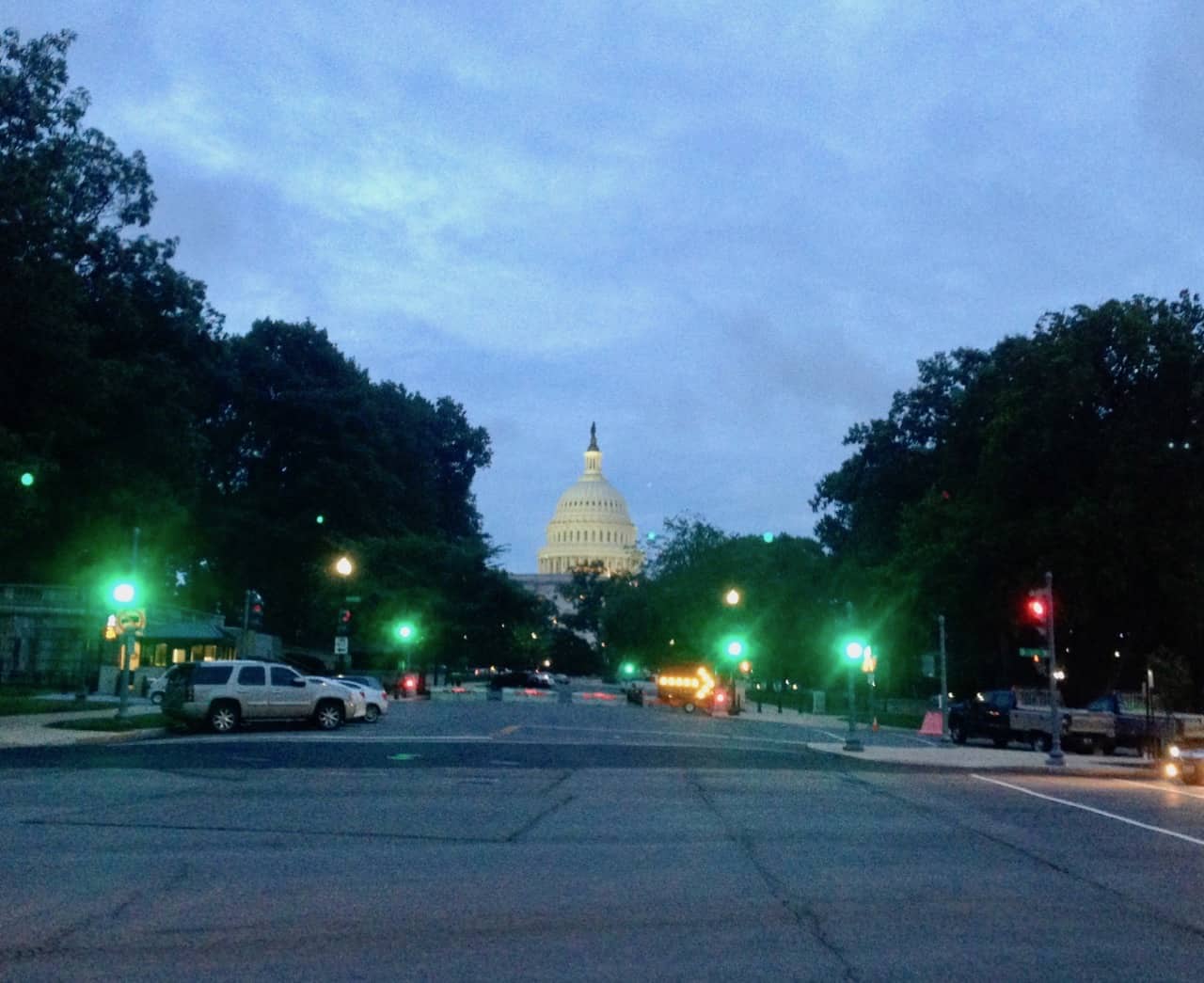
The crypto infrastructure bill has been working its way through Congress for months. The CLARITY Act was approved by the House of Representatives in July. The Senate’s version of the bill, the Digital Asset Market Clarity Act, has emerged after months of wrangling among digital asset insiders, worried banks, and lobbyists.
After months of hard work, we have bipartisan text ready for Thursday’s markup. I urge my Democrat colleagues: don’t retreat from our progress. The Digital Asset Market Clarity Act will provide the clarity needed to keep innovation in the U.S. & protect consumers. Let’s do this! pic.twitter.com/fuu5CIQa8X
— Senator Cynthia Lummis (@SenLummis) January 13, 2026
Senate Banking Committee Chairman Tim Scott said the legislation represents negotiations with Democrats, and when it is approved, the “legislation will democratize the American economy and establish clear rules of the road for digital assets, all while protecting Main Street retail investors, ensuring future innovation happens in the United States, and safeguarding national security for all Americans.”
The legislation represents the most impactful change to US markets since the Securities Act of 1933 and the Securities Exchange Act of 1934.
So what has changed since the House version besides more pages?
CI asked Grok to do its thing, so here is a brief summary of what AI considers relevant.
- The House bill has 6 titles, spanning definitions, offers/sales, SEC/CFTC registrations, innovation improvements, and Anti-CBDC measures. The Senate bill expands to 9 titles, reorganizing content and adding new areas:
- House Titles I–IV (definitions/rulemaking, offers/sales, SEC registrations, CFTC registrations) are partially consolidated and reframed in Senate Title I (Responsible Securities Innovation), with new sections on disclosures for “ancillary assets,” exemptions, recordkeeping modernization, and SIPC applicability.
- House Title V (Innovation and Technology Improvements, including studies on DeFi, NFTs, illicit use, and more) is split and expanded across Senate Titles III (Responsible Innovation in Decentralized Finance), V (Responsible Regulatory Innovation, e.g., sandboxes, international cooperation, tokenization studies), and IX (Other Matters, e.g., joint advisory committee).
- House Title VI (Anti-CBDC Surveillance State Act, prohibiting Federal Reserve offerings to individuals and CBDC use for monetary policy) is not a standalone title in the Senate version but retained in the bill’s purpose statement and integrated into broader provisions (e.g., via amendments to the Federal Reserve Act, though less explicitly detailed).
- New Senate Titles: II (Protecting Against Illicit Finance), III (as noted), IV (Responsible Banking Innovation), VI (Protecting Software Developers and Software Innovation), VII (Protecting Customer Property), and VIII (Customer Protection) introduce entirely novel content absent from the House bill.
- The House emphasizes “digital commodity” (a fungible digital asset integral to a blockchain system, excluding securities and stablecoins), “mature blockchain system” (decentralized with no central control), “permitted payment stablecoin,” and related persons/affiliates (e.g., ≥5% ownership thresholds).
- The Senate introduces “ancillary asset” (a network token dependent on an originator’s efforts, similar to the House’s “investment contract asset” but with more emphasis on entrepreneurial reliance and common control). It also adds “distributed ledger application/protocol/system,” “decentralized governance system” (transparent, non-centralized consensus mechanisms, including legal entities like nonprofits), “smart contract,” and “digital asset intermediary/service provider” (cross-referencing other laws like the GENIUS Act). Terms like “digital commodity” are retained but subordinated to “ancillary asset” in securities contexts. Thresholds for “related persons” are adjusted (e.g., 4% ownership over 36 months, 10% over 12 months), and exclusions for decentralized systems are explicit.
- Regulatory Framework and Registrations (SEC/CFTC): The House provides expedited/provisional registrations (up to 270 days), dual-registration rules, custody requirements, DeFi exclusions, and anti-fraud extensions. The Senate builds on this in Title I but adds exemptive authority for ancillary assets, special disposition restrictions for related persons, financial interest disclosures, and modernization of securities regs for digital activities (e.g., blockchain-based recordkeeping). Senate Title III adds rulemaking for non-DeFi protocols, illicit finance obligations for ledger layers, special transmittal measures, temporary holds on suspicious transactions, and risk management standards. Senate Title IV permits digital asset activities for banks, joint portfolio margining rules, and capital netting adjustments—expanding banking integration beyond the House’s custody focus.
- Illicit Finance and AML: Largely absent as a dedicated title in the House (though studies and Bank Secrecy Act applications are mentioned). The Senate dedicates Title II to this, including treatment under Bank Secrecy Act/sanctions, examination standards, Preventing Illicit Finance Through Partnership Act, Financial Technology Protection Act, digital asset kiosk regs, and a study on illicit uses. Title III further adds offshore stablecoin reports, mixer/tumbler studies, foreign intermediary studies, foreign adversary activities, cybersecurity standards, and financial stability risks in DeFi/commodity markets.
- Innovation and Studies: House Title V includes findings, strategic hubs (e.g., LabCFTC codification), and studies on DeFi, NFTs, literacy, infrastructure, payments, illicit use, and foreign participation. The Senate scatters and expands these: Title V adds CFTC-SEC Micro-Innovation Sandbox, international cooperation, automated compliance study, legislative recommendations, tokenization of real-world assets, post-quantum crypto standards, and reports on foreign trading volume/compliance. Title VI includes studies on NFTs. Overall, more studies (e.g., on mixers, adversaries, cybersecurity) and voluntary programs (e.g., cybersecurity for DeFi protocols).
Protections for Developers, Users, and Property: New in Senate Title VI: Protecting software developers (e.g., no liability for non-controlling code), safe harbor for NFTs, Blockchain Regulatory Certainty Act (clarifying non-money transmitter status for validators), and Keep Your Coins Act (self-custody rights). Title VII adds bankruptcy protections for ancillary assets/digital commodities. Title VIII focuses on educational materials, savings clauses, financial literacy expansion, and SIPC consultations on stablecoins/commodities—enhancing consumer safeguards beyond House disclosures. - Anti-CBDC Measures: Retained from the House but de-emphasized as a separate title; integrated into the bill’s overarching prohibitions on Federal Reserve direct services and CBDC for policy.
- Other Matters (Senate Title IX): New joint advisory committee, FinCEN MOU/appropriations, rulemaking timelines, and effective date (generally 1 year post-enactment, with phased implementation).
Grok states that no provisions were outright removed without analogs, but many House sections are reframed or expanded.
There has been a ton of discussion regarding stablecoins and holders earning yield. Old banks are terrified of this prospect, as stablecoin holders could generate more interest than a typical savings account. This, of course, would undermine the entire banking model of holding customers’ funds while giving them little in return and charging dramatically more for funds loaned out.
The House CLARITY Act did not include any equivalent section on stablecoin yields.
Under the legislation, Digital asset service providers are barred from paying any form of interest, yield, or compensation (in cash, tokens, or otherwise) solely for holding a payment stablecoin. There may be some wiggle room regarding rewards.
There have been many posts on X indicating that negotiations are ongoing over the final language for stablecoin yield.
Yesterday, the American Bankers Association (ABA) sent a letter to members of the Senate demanding they close the “stablecoin loophole.”
The ABA warns that:
“The rapid expansion of payment stablecoins introduces significant risks when issuers or their affiliates offer any form of compensation to stablecoin holders, including advertised yields, promotional rewards, or interest-like payments. These practices threaten to drain deposits from regulated institutions, constricting the credit that fuels communities across our great nation.”
The ABA claims that $6.6 trillion in bank deposits could evaporate, depriving consumers of access to credit.
“We urge Congress to codify a comprehensive ban on stablecoin inducements—whether paid by the issuer or any affiliated platform or partner—so that payment stablecoins remain payments instruments, not investment or deposit substitutes.”
While the warning has merit in the near term, in the long run, banks and credit unions must compete – including with stablecoins that generate yield. But traditional banks are following a well-established playbook, lobbying to create regulatory moats to protect their business – something banks have been very good at.
Regardless, it appears the markup hearing will not take place this week as expected but will be held later this month, as reports indicate more time is needed to secure bipartisan support to pass the bill into law.
The Clarity Act represents true bipartisan collaboration—Democrats & Republicans coming together to create smart regulation that protects investors while fostering innovation. Every provision reflects input from both sides of the aisle. Let’s get this across the finish line.
— Senator Cynthia Lummis (@SenLummis) January 13, 2026