

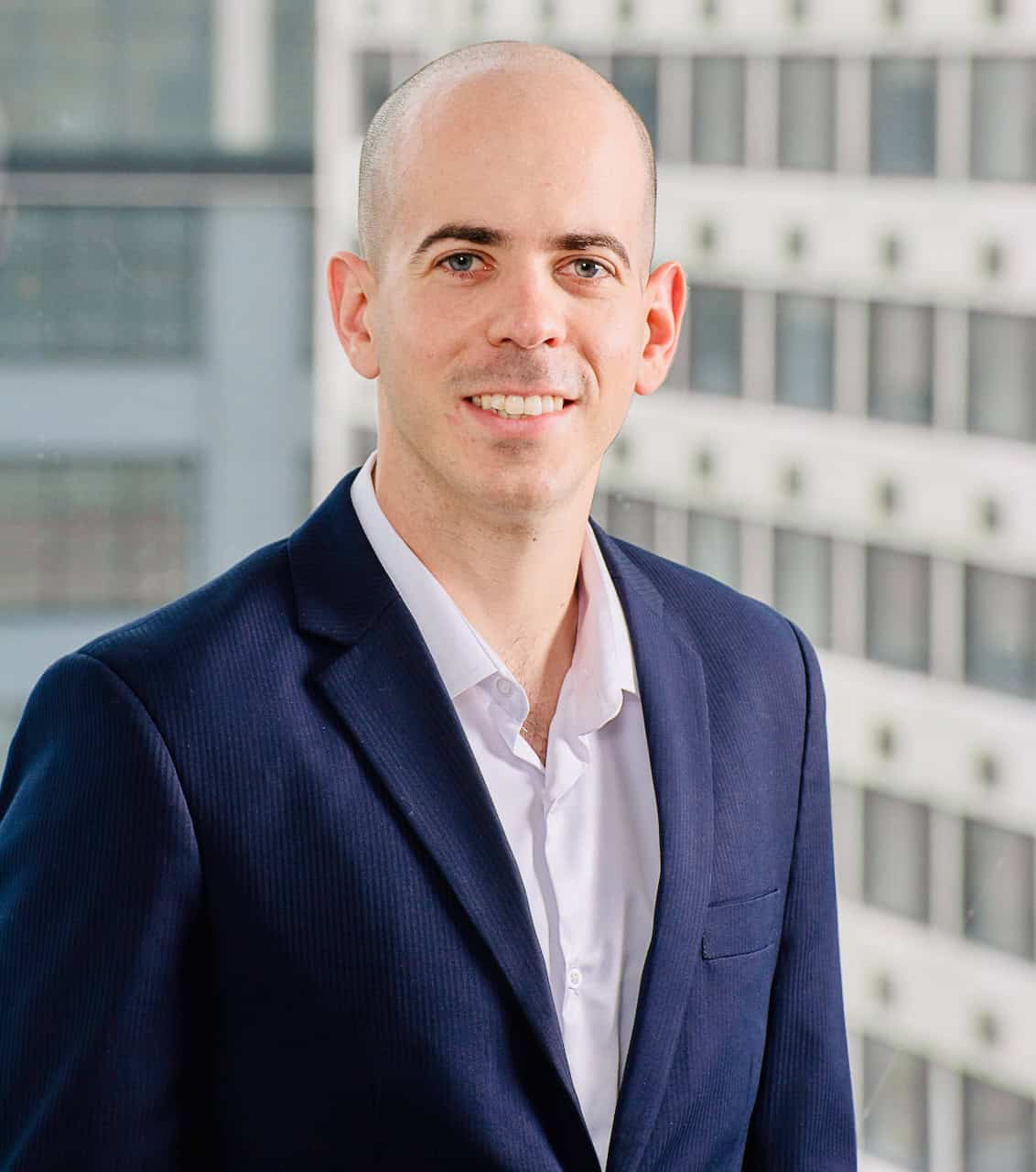
As AI-powered fraud improves, Kidas is one company businesses and consumers from a constantly evolving threat. Kidas CEO Ron Kerbs said traditional approaches won’t stop criminals who use methods that evade standard filters.
Kidas’ origins are in gaming. During the COVID-19 pandemic, people increasingly turned to it as an activity and a way to socialize with others. That attracted fraudsters, who found many of their traditional activities shut down.
Kidas’ gaming origins prepared it well
Gaming was an ideal first foray for Kidas. Scammers contacted gamers via in-person chatrooms and voice chat, so solutions had to cover these multiple fields. That prepared Kerbs and his team for today’s fraud environment, where criminals are increasingly targeting victims across multiple fronts.
The gaming environment also forced Kidas to finely hone its sentiment analysis techniques. Its system had to detect differences between typical chat around aggressive game scenarios and actual threatening behavior. It would also have to discern the difference between two players discussing an in-game situation and others where one player threatens another. Ages and emotions also had to be assessed.
Word quickly spread. Kidas soon saw demand from companies in multiple fields wishing to protect employees and customers from voice and text scams. The company forged partnerships with internet service providers, mobile firms and anti-virus providers.
Scam messages and calls affect virtually all Americans, with 96% of consumers receiving at least one call per week. Kerbs said those tax refund, jury duty and fake job calls most frequently victimize young and old age groups. Systems like Gemini and ChatGPT may not separate scams from legitimate communication. Better detection was required.
Credit AI with helping fraudsters up their games. Already sophisticated, Kerbs said GenAI was pivotal in fooling more people. Accents and dialects could be perfected. Criminals could now contact hundreds of thousands of people daily.
“Once you cast a wider net, you eventually catch more fish,” Kerbs said.
Kidas’ early efforts to protect gamers prepared it well for other environments, which were sometimes easier, Kerbs noted. One challenge was amassing a data base of sentiment examples. Some victims stay anonymous, while others post on social media and message boards. It took some effort.
How fraud is evolving with AI
Kerbs is seeing a proliferation of multi-channel scams, where criminals employ various combinations of phone calls, SMS and email messages. Contacting people through multiple channels adds credibility.
Hyperpersonalized scams are increasingly popular. Scammers target social media sites and professional sites like LinkedIn to track activity. If someone posts that they are attending a conference and meeting with certain people, criminals will incorporate those facts into pitches that come with increasing legitimacy.
“I know for sure that they are using social media to get details on people’s schedules and connections in order to get to build credibility and deceive them,” Kerbs said.
Fraudsters can take 10 or 15 seconds of video and voice from an online news report or social media video and craft a message requesting money. One campaign targeted supporters of a small church. The designers took some audio to develop a deepfake video and text message program that looked and sounded like it came from the church.
Kidas’ scam protection products include SMS, email, chatbot and deepfake protection. Gaming offerings are ProtectMe login and Discord protection. The products designed to help seniors filter out the messages before the user even sees them.
Workflow logic, multi-channel solutions and agentic tools: New challenges
Companies can help consumers by carefully creating logical workflows, Kerbs added. In one example, a car rental company contracted an outside firm to collect debts. That company sent messages to customers from its own site, leaving recipients to question the origins of messages from an unfamiliar source.
“Some of the legitimate companies are not building their flows in ways that are distinct enough for people to understand if it’s scam or not,” Kerbs cautioned. “That’s a big issue, especially as people become more aware of scams.
Agentic tools give fraudsters another opening. Because they need to access personal information to refine their services, it means enterprising criminals will seek to insert themselves into the process to extract information or to direct funds or purchases to their own accounts.
“Even if they’re not the company that is creating the AI bot, just by the fact that their bot is going to third party websites and analyzing their content, they can have something called prompt injection to get access to the bot context and perform specific actions,” Kerbs said.
Pick a specific scam vertical, and you’ll find a host of companies offering protection. What you won’t often find, however, are companies across verticals. Kidas aims to change that.
“Not a lot of companies are connecting all of the dots to see if someone is trying to scam you from different communication channels. So, I think that’s going to be one of the next trends in the industry,” he said. “We’re trying to connect a lot of those sources, because each one of them is going to provide one hint, but only when you see all three of them, or all four of them, can you be sure that it’s a scam.”