

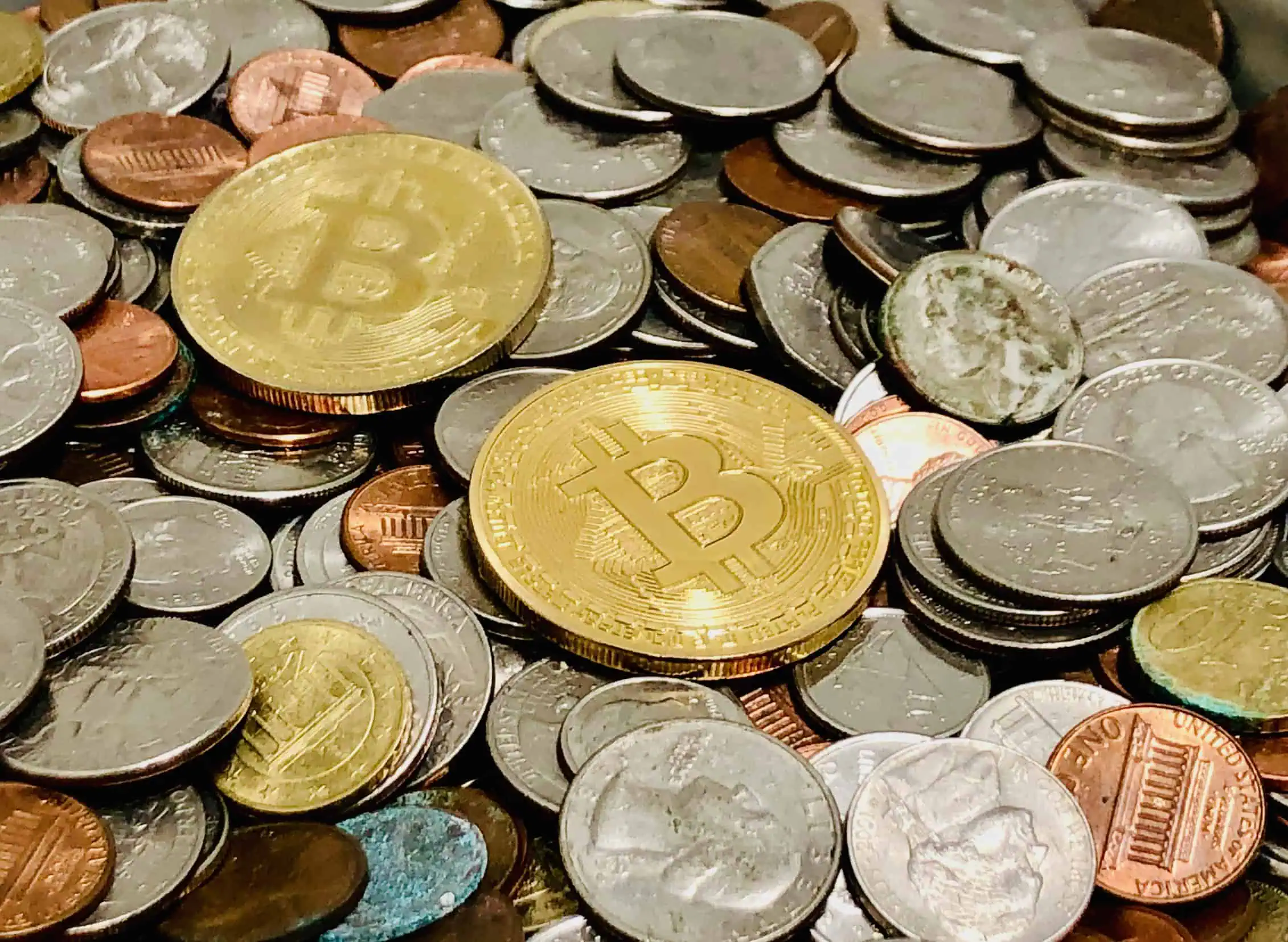
The Bitcoin (BTC) whitepaper was released around the time of the Financial Crisis of 2008 as a potential solution / alternative to the fiat based monetary system. Bitcoin’s pseudonymous creator(s), Satoshi Nakamoto, envisioned in its whitepaper a peer to peer (P2P) electronic cash system that would allow people to exchange monetary value in a permissionless manner and without the need for so-called trusted intermediaries.
However, these core Bitcoin concepts are not at all trivial or easy for most TradFi professionals to grasp easily. In fact, JPMorgan CEO Jamie Dimon famously dismissed Bitcoin as a fraud. Even Strategy‘s Michael Saylor had initially expressed skepticism about Bitcoin’s usefulness. And while most financial industry professionals now claim to understand how Bitcoin works, the truth is that very few people actually grasp why it is so powerful and innovative.
It is hard for most individuals to actually understand that Bitcoin (BTC) can be unconfiscatable in most cases because it can actually be stored in your brain (if you can remember a 12-15 word unique seed phrase). While it’s true that people have been forced to give up their crypto wallet passwords to criminals, the funds in digital assets wallets are not as easy for authorities to confiscate. When compared to traditional bank accounts, cryptocurrencies like bitcoin are a lot harder for others (unauthorized users who cannot provide valid credentials) to access.
Only people who know the private keys, seed phrases are able to control their crypto-assets in non-custodial wallets. Of course, this requires a significant level of technical know-how and awareness, but it can provide financial autonomy. Moreover, anyone in the world can create a bitcoin wallet and send funds to any valid BTC address without actually registering with a financial services provider or asking for permission.
In addition to being very hard to confiscate, BTC transfers are fairly cheap. Users can transfer millions or billions of dollars worth of cryptocurrency for a fraction of the cost they would incur if they went through the traditional banking and financial system. All of these attributes and characteristics are quite challenging even for most highly-educated people to truly grasp.
That’s because Bitcoin is based on a wide range of disciplines including computer science, economics, human psychology principles, among other technical fields. Most people are not very analytical so they find it very difficult to understand how bitcoins are provably scarce (there can only ever be 21 million BTC ever and most of them have already been mined).
It is also very challenging for even the most experienced TradFi professionals to fully grasp how bitcoin mining works. Not only that, but people get really confused when they are told that the Bitcoin network consumes a lot of power and energy. That’s because the traditional fiat based monetary system also indirectly consumes vast amounts of resources but US dollars and Euros (among all other fiat currencies) are actually printed out of thin air.
Meanwhile, Bitcoins are produced through energy-intensive proof-of-work algorithms that require considerable computing resources. As Elon Musk has said on many occasions, the future is going to increasingly focused on energy production and key processes are set to make this highly efficient. If anything, Bitcoin could be a net positive for the environment because it incentivizes more efficient utilization of resources in order to lower production costs as much as possible.
Clearly, Bitcoin is based on very technical economic (digital scarcity) and mathematical concepts. It is not that straightforward even for highly-educated professionals to truly understand how bitcoin works but careful research, patience, and constant learning can help clarify most of the key concepts tied to bitcoin transactions. Perhaps this is one of the main reasons that bitcoin adoption has not gone truly mainstream.
But in the years ahead, it is quite likely that future generations will become a lot more tech-savvy and the use of the Internet is only going to increase over time. We will have faster Internet connections, faster computing devices, and an increased reliance on cashless, digital transactions. Bitcoin is well-suited for an all-digital economy but it does have its drawbacks.
It can be quite easy to forget the password or seed phrase to bitcoin wallets. There is also a significant risk of getting hacked or having your wallet’s funds drained via malicious phishing attacks. Currently, Bitcoin (BTC) is not widely-accepted as a medium-of-exchange and most merchants only take credit cards, cash, or some other form of payment.
However, the future global economy is more suited to enable digital currency transfers. And future generations are going to be a lot more tech-savvy based on consumer behavior trends That’s why Bitcoin, despite it not being perfect, is becoming a popular way to store value (long-term) and for helping the unbanked or underbanked carry out permissionless digital transactions.