

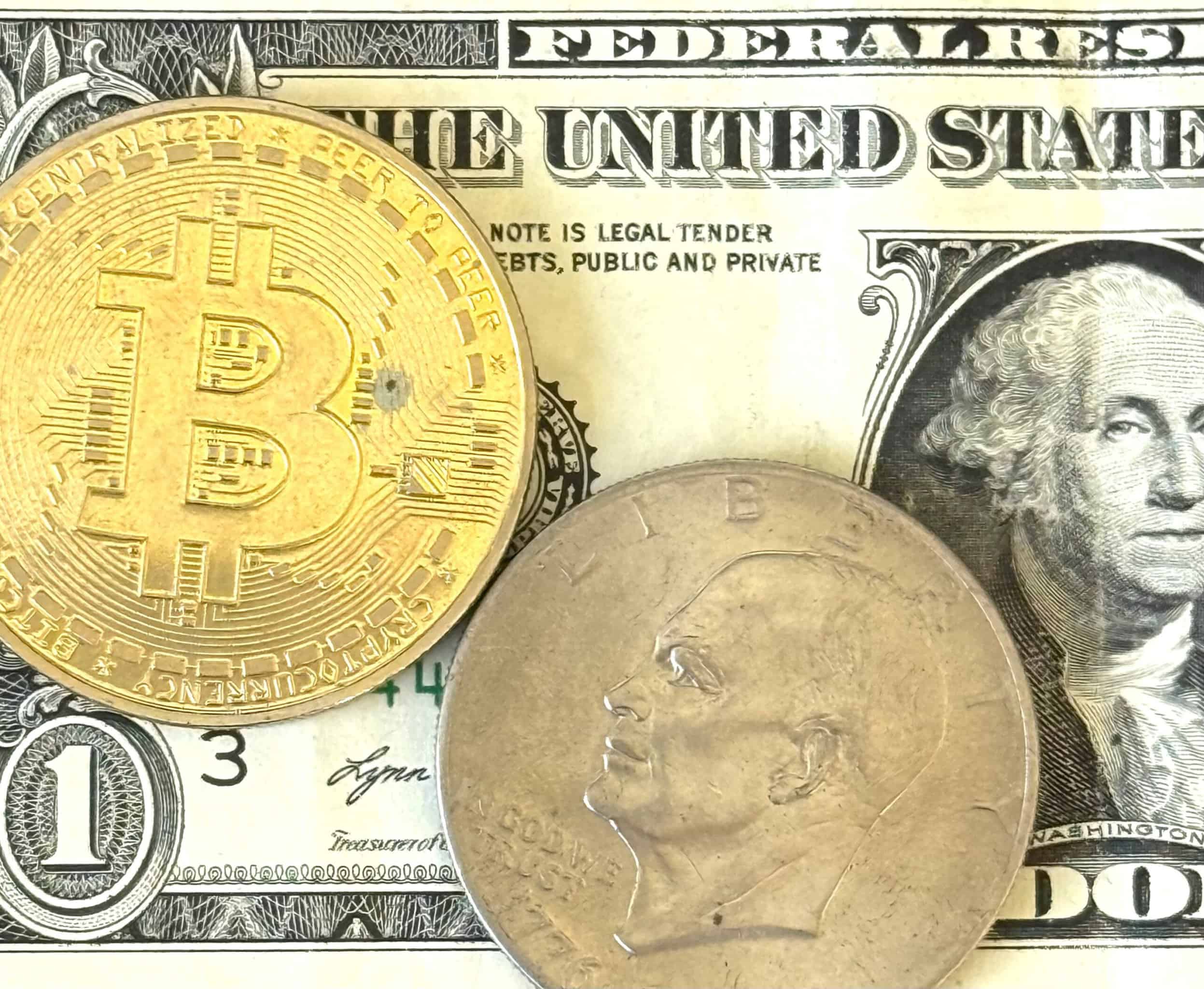
Bitcoin ETF inflows return following three days of withdrawals
“US spot Bitcoin ETFs attracted approximately $74.6 million on Wednesday, while Ether funds recorded another $53 million in inflows. That followed three consecutive sessions of Bitcoin ETF withdrawals totaling roughly $1.16 billion, so it’s encouraging to see capital returning, though one positive session isn’t enough to show whether the selling has ended.”
“BlackRock’s IBIT continued to record outflows while Fidelity’s FBTC attracted fresh capital, suggesting investors are adjusting their exposure rather than returning to the market all at once.”
“I don’t think the election fundamentally changes Bitcoin’s outlook. Institutional investors are still making decisions based on liquidity, monetary policy, and portfolio allocation. The next few weeks should give us a better indication of whether demand is recovering consistently.”
– Ryan Kirkley, co-founder and CEO, Global Settlement Network
FinCEN’s MEXC ban
“FinCEN’s MEXC order won’t bite for at least a month, yet Binance moved within four days. A US designation goes global the moment counterparties decide the exposure isn’t worth carrying.”
“With MEXC serving 170-plus countries, the fallout reaches far beyond its users. Businesses receiving funds that touched it, even indirectly, can see payments held for review, and compliance shifts from checking who you deal with to proving where money has been.”
“Over the next month I expect more platforms to follow, and the next designation to travel faster still. Firms that can prove clean provenance will keep their money moving.”
– Raj Kamal, founder and CEO, TransFi
Democratic victory complicates the CLARITY Act
“The Democratic victory has made the CLARITY Act harder to advance, although the legislation was already struggling before the election. Republicans controlled Congress and still hadn’t resolved disagreements around stablecoin rewards, regulatory jurisdiction and the treatment of different digital assets.”
“More than 70 House Democrats previously supported the legislation, so there’s still room for negotiation. I would rather see Congress take longer to agree on rules that remain workable across administrations than rush through legislation that creates further uncertainty.”
“Financial institutions need clarity around custody, payments, settlement and compliance before committing significant resources to digital asset infrastructure. The election may delay that process, but the commercial need for clearer regulation hasn’t changed.”
– Kirkley
Fairshake’s election spending falls short
“Fairshake reportedly spent approximately $154 million during the election cycle, including around $56 million in an unsuccessful effort to defeat Sherrod Brown in Ohio. Given the scale of the industry’s political spending, the results raise questions about how effectively that money has translated into legislative influence.”
“I think crypto has put too much emphasis on securing political allies and not enough on building support for its practical applications across both parties. Political spending can help bring issues into public discussion, but it doesn’t guarantee agreement on legislation.”
“There is a much stronger case to make around financial infrastructure. International payments remain expensive, settlement systems are fragmented, and institutions still run processes that tie up capital unnecessarily. Those are commercial problems that should attract interest regardless of political affiliation.”
– Kirkley
Bitcoin price slide
“Bitcoin trades every hour of every day, and you can sell it in seconds. So when money gets tight, it’s one of the first things people sell. Then traders who borrowed to bet on a rise got forced to sell, and that pushed the price down faster.”
“Over $650 million of those bets got wiped out in a day. Rates are going up, and even gold is falling. Add MSCI dropping Strategy from its indexes. For a long time, treasury companies were seen as the steady buyer. Now people are asking if that buyer can keep showing up.”
“Strategy’s stock trades close to the value of its bitcoin, so selling shares to buy more barely works right now. A lot of today’s selling is just people raising cash.”
– Marc Dumpff, founder and CEO, BTC Now
“I expect Bitcoin to stay choppy as it forms a bear-market bottom. As Nvidia falls out of favor, I think investors will rethink how much money they have tied up in AI. I expect some of that capital to flow back into Bitcoin and precious metals towards the end of the year.”
– Chris Mack, CTO, Quote.Trade
Trump Media transfers $434 Million in Bitcoin
“Trump Media’s reported transfer of approximately $434 million in Bitcoin to Crypto.com has attracted attention, particularly given the company’s financing arrangements.”
“No one has confirmed that the Bitcoin has been sold, and I think it’s important to distinguish between transferring assets and liquidating them. Businesses move digital assets for several reasons, including custody, collateral management, and liquidity planning.”
“What interests me is how corporate Bitcoin holdings are being incorporated into more complicated financial arrangements. Once companies use digital assets as collateral or to support borrowing, they need reliable systems to manage liquidity, counterparty exposure, and settlement obligations.”
“I expect these considerations to become more important as corporate adoption expands, particularly as digital assets become more closely integrated with traditional financial markets.”
– Kirkley
Trump-linked tokens fall as Bitcoin recovers
“Trump-linked cryptocurrencies were among the worst performers after the election, with the TRUMP token down about 17% and World Liberty Financial’s WLFI down more than 7%, even as Bitcoin and Ether recovered.”
“I think the performance gap reflects how much political sentiment influences certain parts of the market. When a token’s valuation is closely tied to an individual or administration, shifts in political expectations can quickly affect investor demand.”
“Bitcoin has a much broader investor base, established institutional products, and demand influenced by global liquidity and monetary policy. For institutional investors, those fundamentals matter considerably more than political association.”
-Kirkley

