

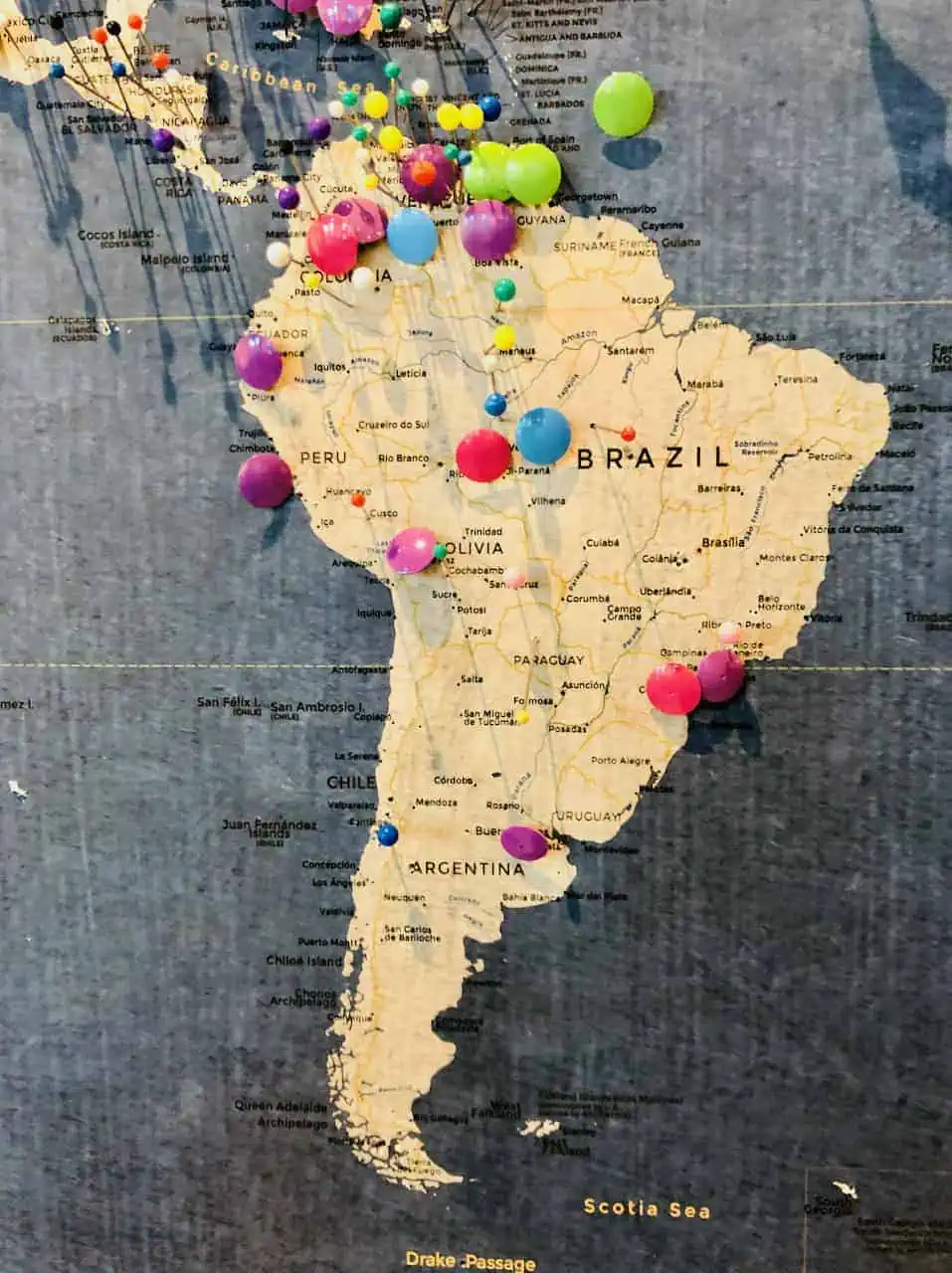
For Fintechs, LatAm is a region of opportunity, but also significant challenges. With each country seemingly at its own stage of development, there is plenty of work to do on a national level before LatAm can grow as one.
Nisum Chile general manager Sebastian Martinez is well-qualified to assess LatAm’s current state and to chart its future path. A software engineer and startup cofounder, Martinez has led Nisum teams in multiple markets over the past decade-plus. He now directs AI and Gen AI initiatives. Earlier in his career, Martinez worked in the United States.
Chile sits at an interesting point. Its economy is reliant on natural resources, but most major tech companies host data centers there. (There is no cloud provider yet.)
Martinez said Chile suffers from a lack of talent, investment and technology. More of all three are needed if the country is to benefit from opportunities like Artificial Intelligence. Nisum, for example, leverages knowledge gleaned from the United States.
“It’s difficult to find local talent,” Martinez said.
So where should Chile begin? More government investment would help. As the industry awaits that, companies like Nisum forge partnerships with companies from more advanced countries like Brazil and the United Kingdom as they pursue goals like exposing bank information to APIs.
Some companies see this as an opportunity, and others as a threat. Those who act first (and correctly) will be rewarded; those who demur will be left behind.
“They want to wait until the end, but right now, it’s something mandatory,” Martinez said. “We need to do it.”
Such companies may not even see the need to modernize legacy systems; if it’s not broken, don’t fix it. Others embrace modernization.
With such a range of approaches, Martinez suggests less focus, at least temporarily, on low-hanging fruit like basic system efficiencies. Eliminate manual tasks, illustrate cost savings. Many players are pursuing efficiency and compliance.
Fintechs, especially those with regional aims, must also contend with different levels of financial inclusion in each country. Many folks fear technology; they forgo credit cards and transferring money from phones and computers.
“That is a very big issue here in LatAm,” Martinez said.
The basic to-do list continues with encouraging a regional embrace of open finance. Regional technological and integration standards are also crucial.
“We can have a discussion with Brazil, with Peru, with Colombia; all those countries are working on the same regulation,” Martinez said. “Because in most of those countries, it’s the same information at the end. But those discussions are not happening.”
Education is key if people and companies are to embrace technologies like AI and not be left behind.
“Education, that’s the only way,” Martinez said. “That’s the one educational tool to explain to the people that this is not a threat. It’s a tool that is going to help you. If we are not using this, that technological gap is going to increase a lot between us and LatAm. It’s something that we are looking at.”
Martinez is excited about the growth potential for Chile and all of LatAm. Benefits could soon come in hyper-personalization and KYC The coming months could see progress on cybersecurity and data regulations.
“Having those regulations and that infrastructure is going to open new business opportunities with open finance and other things,” Martinez said. “The fintechs are waiting to see the banks implement open banking to collect data.”
Don’t discount the importance of small steps. That is where Chile currently sits.
“Just a few months ago, they gave a license to create a new bank,” Martinez said. “The last one was more than 10 years ago.”