

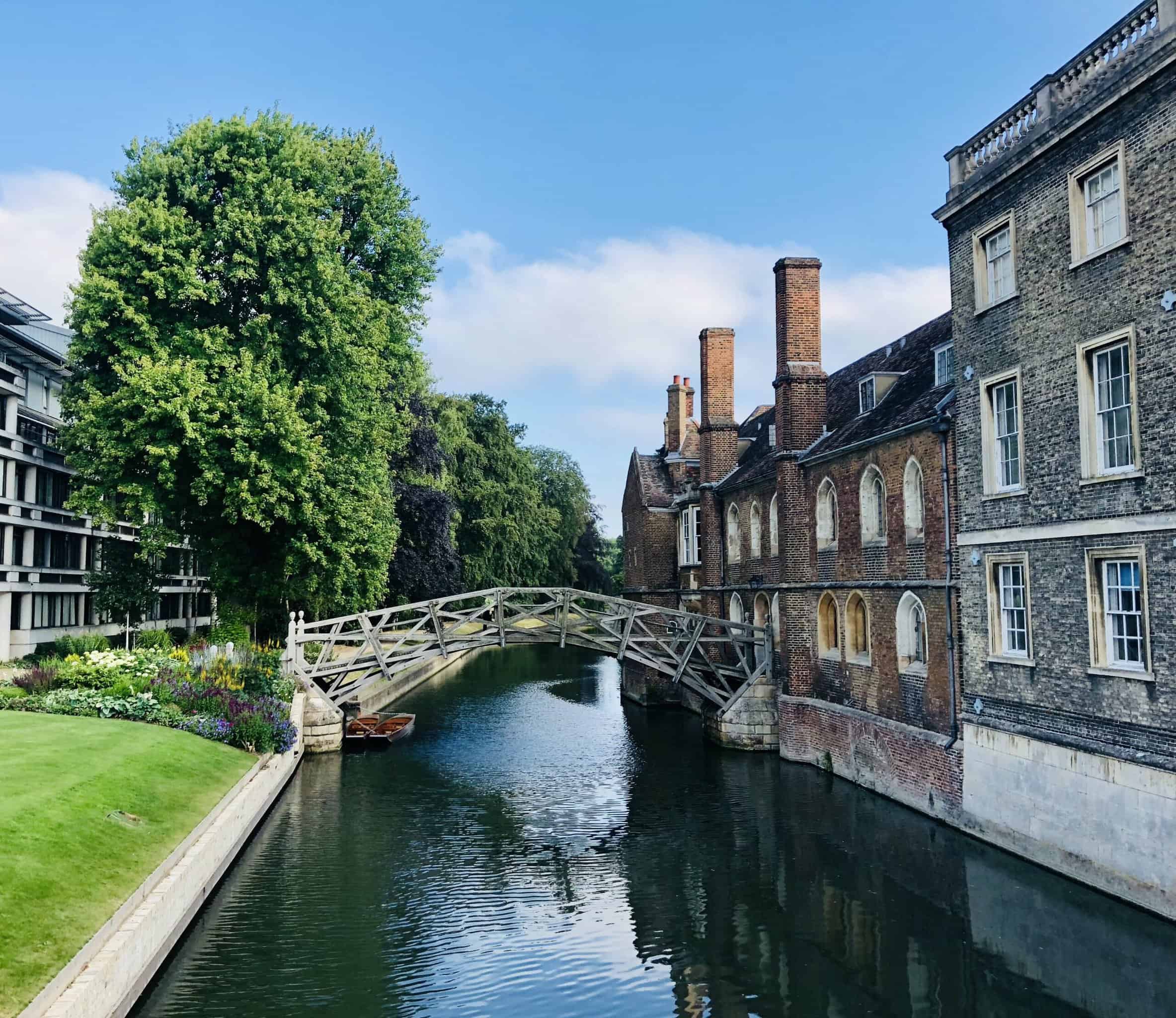
Hedy Wang is a bridge builder. The co-founder of BlockStreet, Wang believes now is the time to build bridges between TradFi and DeFi. By doing so, she also sees BlockStreet as the bridge that allows retail investors to generate wealth.
Wang is a big believer in using fintech to change people’s lives. She’s seen the impact across many fronts, beginning with some of the revolutionary apps in China and progressing through her work at Capital One, where she built a credit card used by 40 million people.
The best fintechs don’t burden users with a clunky UX through unnecessary steps like accessing a physical card and constantly inputting numbers. She described a good experience as “riskless”.
While still in school, Wang saw how efficiently apps pulled and scored social data; there was tremendous power in that. She also saw the bad in how frothy P2P markets and aggressively growing companies took advantage of many retail investors.
Wang contrasted that with a growing Web3 community where true adherents want to grow the market for everyone. Many have helped Wang via advice, airdrops and suggestions. The Web3 investment community is much more active and informed than investors in traditional sectors.
Being a Web3 company founder, Wang couldn’t leverage consultants with decades of experience building firms in the sector – there aren’t any. She and the BlockStreet team had to learn as they went, with assistance from that helpful community.
“As a crypto founder, you are also very blessed,” she said. “You can have very fast product iterations with very light integrations, great developer tools and also great ecosystem support; that’s also very rare.
“Crypto talks about the ecosystem a lot, right? When I work with a large DeFi ecosystem, they really nurture you in terms of answering all your questions. They check in with you, they even provide you with investment referrals to other investors, or anything you need to grow as a company.”
How BlockStreet bridges DeFi and TradFi
BlockStreet’s goal is to be the bridge providing any investor with the same access to protected capital markets that high-end investors have. Stablecoins make much of it possible by solving cross-border and account-to-account payments. They will continue to play a key role in wealth management at all levels.
These TradFi wealth-building mechanisms can be hard to utilize even for insiders like hedge fund employees. They’re inefficient, not completely automated, slower and bogged down by countless layers of middlemen. While Wang believes progress would have eventually come even without blockchain, blockchain is the best method to address these issues. Combine blockchain’s storage and decentralization with AI, and you can significantly improve data quality.
BlockStreet designed the Aqua liquidity aggregator for tokenized U.S. stocks. It aggregates on-chain liquidity across issuers and ecosystems. BlockStreet’s goal is to build better infrastructure that seamlessly connects liquidity pools so people can trade what they want, when they want.
That process also includes building bridges with TradFi and institutions. Those large groups will drive efficiencies that benefit retail investors. Issuers will move and cement the bricks as the bridge is built.
“I think issuers are doing great,” Wang said. “We already have enough different kinds of solutions there, but it does need someone like us to act as an infrastructure to unify them. That’s why the concept of a unified liquidity layer is really useful when it comes to adoption and utility.”
More real-world assets will help this sector grow. Wang said the more links Web3 builds with TradFi, the better.
“You can’t be a standalone island that no one can bridge to,” Wang said. “It’s starting to work, we’re seeing the walls starting to come down. It’s a good signal that we can finally bridge the two together and do something concrete.”