

Chainalysis revealed in a report that in the midst of escalating geopolitical strife and internal upheaval, Iran’s cryptocurrency landscape has expanded dramatically, reaching a valuation exceeding $7.78 billion throughout 2025. Chainalysis also mentioned that this growth outstripped the previous year’s pace for much of the period, reflecting a direct link between digital asset usage and turbulent events both at home and abroad.
Analysts from Chainalysis highlight how crypto activities in the country serve as a real-time indicator of instability, spiking in response to crises.
The Islamic Revolutionary Guard Corps (IRGC) has emerged as a dominant force in this sector, overseeing roughly half of all cryptocurrency transactions by the end of 2025’s fourth quarter, with its influence steadily rising.
Conservative estimates suggest IRGC-linked addresses handled more than $2 billion in 2024 and over $3 billion the following year, though these figures likely underrepresent the full scope due to unidentified networks and intermediaries.
The group utilizes these assets for evading international sanctions, laundering funds, and supporting proxy operations across the Middle East, including arms transfers and illicit commodity trades.
Ordinary Iranians, meanwhile, are turning to cryptocurrencies as a hedge against economic woes.
The Iranian rial has plummeted by about 90% since 2018, compounded by persistent inflation hovering between 40% and 50%.
This devaluation has propelled widespread adoption of digital currencies as alternatives to the faltering traditional financial system, particularly for bypassing restrictions and achieving personal financial independence.
Notable surges in activity align with key incidents.
For instance, the 2024 Kerman bombings, which claimed nearly 100 lives during a memorial event, triggered heightened crypto movements.
Similarly, Iran’s retaliatory missile attacks on Israel in October 2024—following the killings of prominent militant leaders—saw increased transactions.
The brief but intense 12-day conflict in June 2025, involving airstrikes on nuclear facilities, cyber assaults on major institutions like the Nobitex exchange and Bank Sepah, and hacks disrupting state media, further amplified this trend.
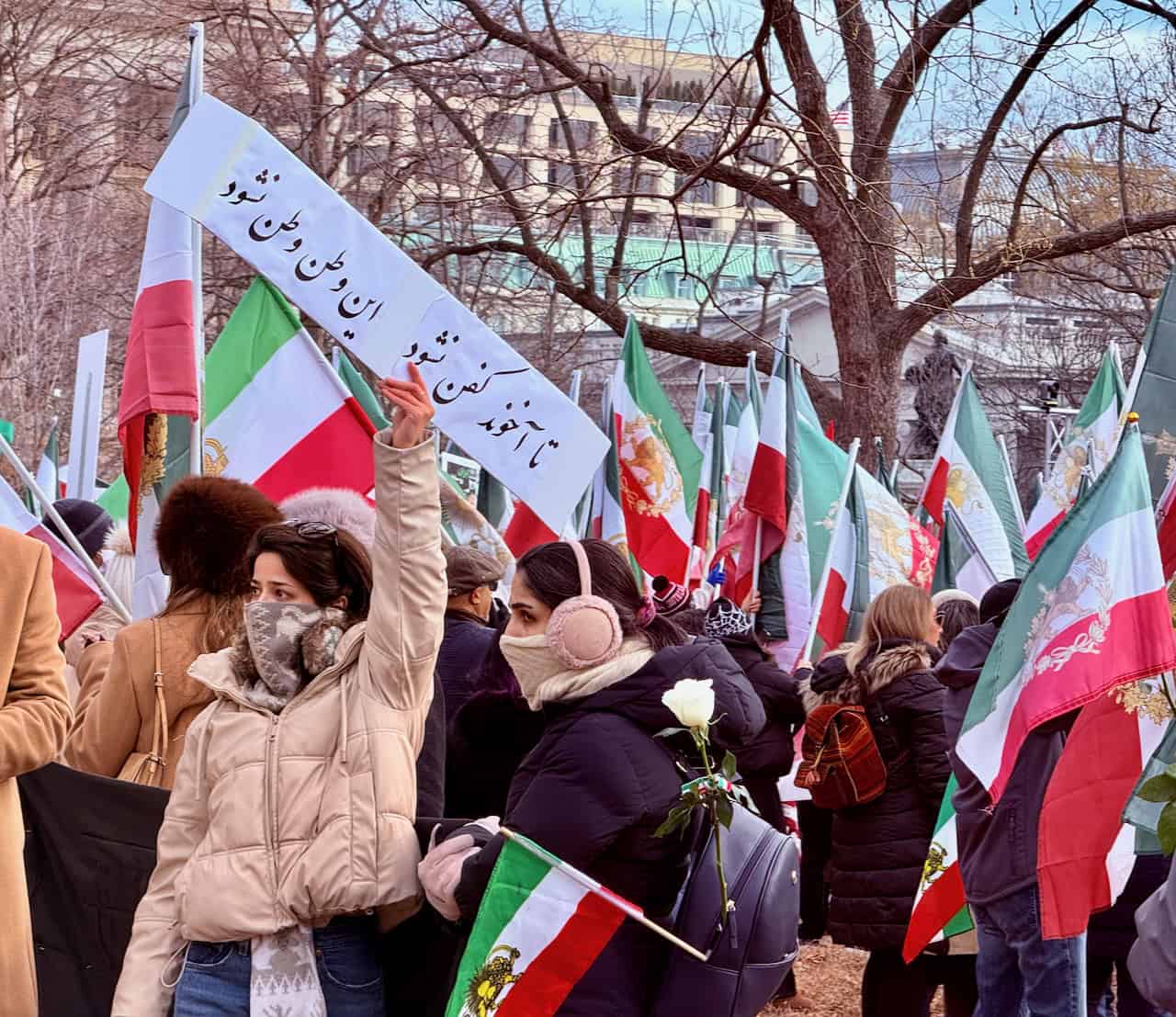
Recent mass protests, spanning from late November 2025 through early January 2026 amid an internet blackout, exemplified a “flight to safety” behavior.
During this time, daily Bitcoin transactions soared, with citizens rapidly withdrawing funds from exchanges into personal wallets to safeguard their assets during the chaos.
This pattern underscores Bitcoin’s role as a resilient store of value in regions plagued by economic and political volatility. As sanctions tighten and domestic pressures mount, cryptocurrencies are poised to remain a vital tool for Iranians.
They offer censorship-resistant options for liquidity and self-custody, mirroring trends in other conflict zones where digital assets provide a lifeline against authoritarian controls.