

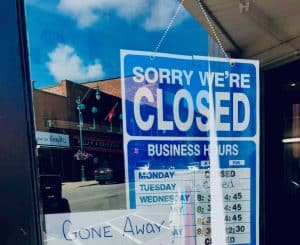
 The Paycheck Protection Program (PPP), helicopter money disbursed by the federal government to aid businesses crushed by the ongoing COVID-19 pandemic had a positive effect but the overall impact has been short-lived, according to research provided by Biz2Credit.
The online lender states that the government lending programs restored sufficient capital for businesses to weather the effects of the pandemic briefly, but that many firms are currently operating at a monthly loss. PPP2 is needed, said the firm.
Under the Cares Act, the PPP provided loans to businesses under duress. The money would be forgiven if employers maintained their payroll. The program, while not perfect, has been well received by the business community. But as the coronavirus lingers, and some state governments are enacting shutdowns, many people believe a second stimulus is needed to stop business closures.
“We expected revenues to be down. However, sales sunk even lower after PPP expired. Meanwhile, costs are accelerating faster than revenues, and the enhanced unemployment benefits dried up in late summer,” commented Rohit Arora, CEO of Biz2Credit, who oversaw the research. “Many companies are operating at a loss right now, and they cannot sustain it long-term. With the potential of further lockdowns because of COVID’s second wave, I fear that more than 30% of small businesses could go bankrupt in 2021.”
Key findings shared by Biz2Credit include:
- The median small business is experiencing a negative cash flow margin (June 24 – Oct. 6) which means they are spending more than they are earning each week.
- Initially, the Northeast and Midwest were hit the hardest economically by COVID, while small businesses in the West and South were relatively less impacted. All regions are weakening in the post-PPP Stage 5.
- About 60% of businesses closed due to COVID-19 at some point. Companies that closed experienced an 87% drop in revenue compared to 2019.
- In Stage 1 of the pandemic, 5.4% of small businesses experienced at least one week of zero revenue. By Stage 2, that number jumped to 8.3%. During Stage 5, the number leveled off to 7.5%.
- Expenditures on personal protection equipment (PPE) resulted in a 15-point reduction in gross margins on average. Businesses report investing approximately $29,230 in PPE and renovations to deal with COVID-19.
- Restaurants are even worse off; they spend approximately 78% more on PPE than other businesses, shelling out $52,106 on average.
- The average revenue for restaurants is down 72% and, surprisingly, the average number of online orders or takeout orders was down 38%. That’s compared to the 52% decline for other types of businesses (thus, a 20-point deficit for restaurants).
- Only 20% of businesses were offered rent or mortgage deferrals by their landlord or mortgage company, despite pleas from local government officials, such as New York Mayor Bill de Blasio, to give business owners a break. Many of those that offered payment allowances during the worst months of the pandemic looked to make up for their lost revenue as counties reopened.
- The average cost of recovery (PPE + renovations) was $21,553 for businesses that were closed due to COVID-19.
- Government cash relief has had varying impact on cash coverage weeks by industry sector. The infusion of money from the PPP and SBA loans had the greatest impact on Retail Services and Healthcare and Social Services organizations. The funding had less impact on Food & Accommodation, B2B Services, and Retail Trade.
- SBA relief has raised cash coverage to 3 months from just ½ month. However, only about 30% of this amount is from the PPP, while the other 70% of the impact was driven via the SBA Economic Injury Disaster Loans (EIDL) program, indicating that EIDL may have afforded businesses more staying power than PPP alone.
Arora added that many companies have endured multiple weeks of little or no cash inflow to offset mounting expenses. If these businesses close, unemployment claims will jump, since small businesses create two-thirds of private-sector jobs in the economy.

